Skip to Content

Rabat Courses – 2027 January Session

Academics

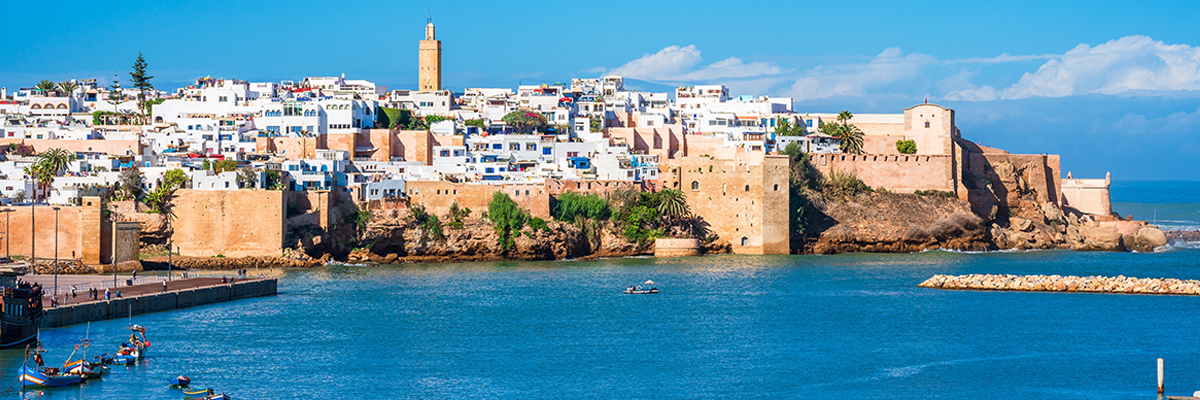
The city of Rabat reflects a rich blend of Arab, Berber, and French influences and is an ideal locale to study Moroccan culture and Arabic language. Through field trips to historic sites, cultural institutions, and vibrant neighborhoods, you will engage directly with local traditions and daily life, enriching your classroom learning and fostering deeper connections with the community.

You will enroll in one course during the January session worth three semester credits. Courses are small and meet daily for a minimum of three hours plus study outside of class. The intimate class size allows for meaningful discussions and close interaction with your professor and other students. Courses are taught in English and no prior knowledge of Arabic or French is required.

Courses Offered

Course availability is contingent upon scheduling constraints, meeting enrollment minimums, and is subject to change. View course details and descriptions.

January Session

Moroccan Culture and Language

3-credit Courses

  • Intercultural Communication and Community Engagement
  • Moroccan Culture, Society, and Language

Non-Credit Workshops

  • Moroccan Cuisine

Looking ahead to Summer 2027: Additional courses, including First Year Arabic (Modern Standard Arabic), and Darija (Moroccan Arabic) for Daily Communication are planned for Summer 2027, which will run during the month of June.

USAC Course Descriptions

Click the course title to view course details, description and availability. To request a course syllabus: syllabus@usac.edu

  • January Session
    Communications Sociology 300-level 3 credits Taught in English

    This experiential, service-learning course develops students’ intercultural communication skills and intercultural competence through active engagement with community partners in Rabat, Morocco. Students explore how cultural values, communication styles, identity, and power shape interactions across differences, drawing from frameworks such as Hofstede’s cultural dimensions and fair-trade learning. Through structured reflection, reading, facilitated discussions, cultural immersion, and 5 hours of community engagement per week, students deepen their cultural self-awareness, develop adaptive communication skills, examine ethical dimensions of service, and collaborate on a project that advances the social mission of a local partner organization.

  • January Session
    Anthropology Sociology World Languages and Literatures 200-level 3 credits Taught in English

    This course introduces students to Moroccan culture and society through an engaging exploration of everyday life in a dynamic, multilingual, and globally connected country. Using themes such as family and community, religion, food, music, language, and social change, students gain the cultural tools needed to understand Morocco beyond the classroom. The course also integrates Moroccan Arabic (Darija), giving students practical speaking skills for daily interactions—greetings, markets, cafés, transportation, and social life.

  • January Session

    This workshop serves as an introduction to Moroccan cooking. Students will learn how to prepare typical Moroccan dishes through demonstrations that go over the main characteristics of Moroccan food. These characteristics include flavors, textures, and aromas which originate from local ingredients (herbs, vegetables, spices) and condiments. Students will be provided with hands on experiences in preparing, cooking and serving each dish. Traditional practices in serving and eating will be emphasized.

Return to top