
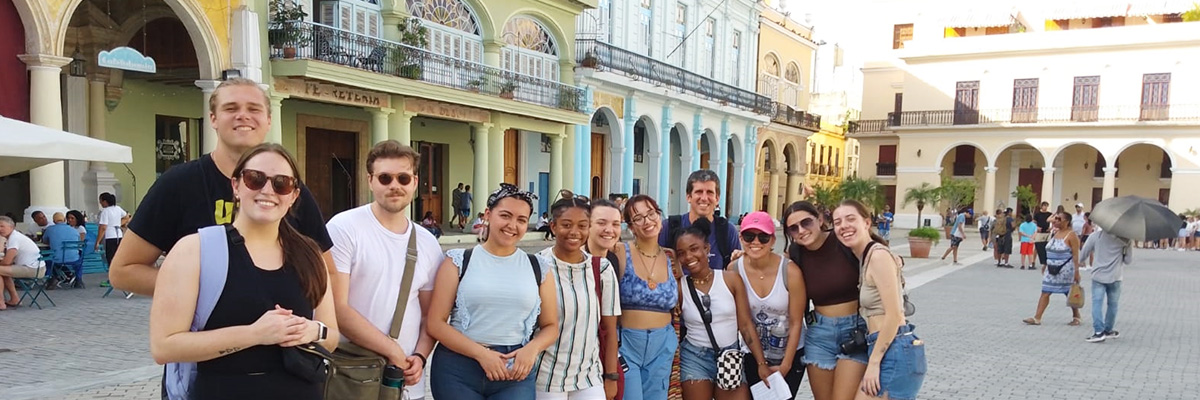
Program highlights for La Habana, Cuba
Language spoken:
Spanish
Currency:
Cuban Peso (CUP, ₱)
Climate:
Tropical
City type:
Metropolis (Population >500,000)
Program type:
Specialty
Host institution:
Instituto de Filosofía, Cuban Academy of Sciences
Language of instruction:
English, Spanish
Terms offered:
Summer, January
Program capacity:
35 students
Credit type:
U.S. semester credit
January 2027:
October 15
Summer 2027
April 15
January 2028:
Application opens December 1
Eligibility requirements
Minimum GPA: 2.5
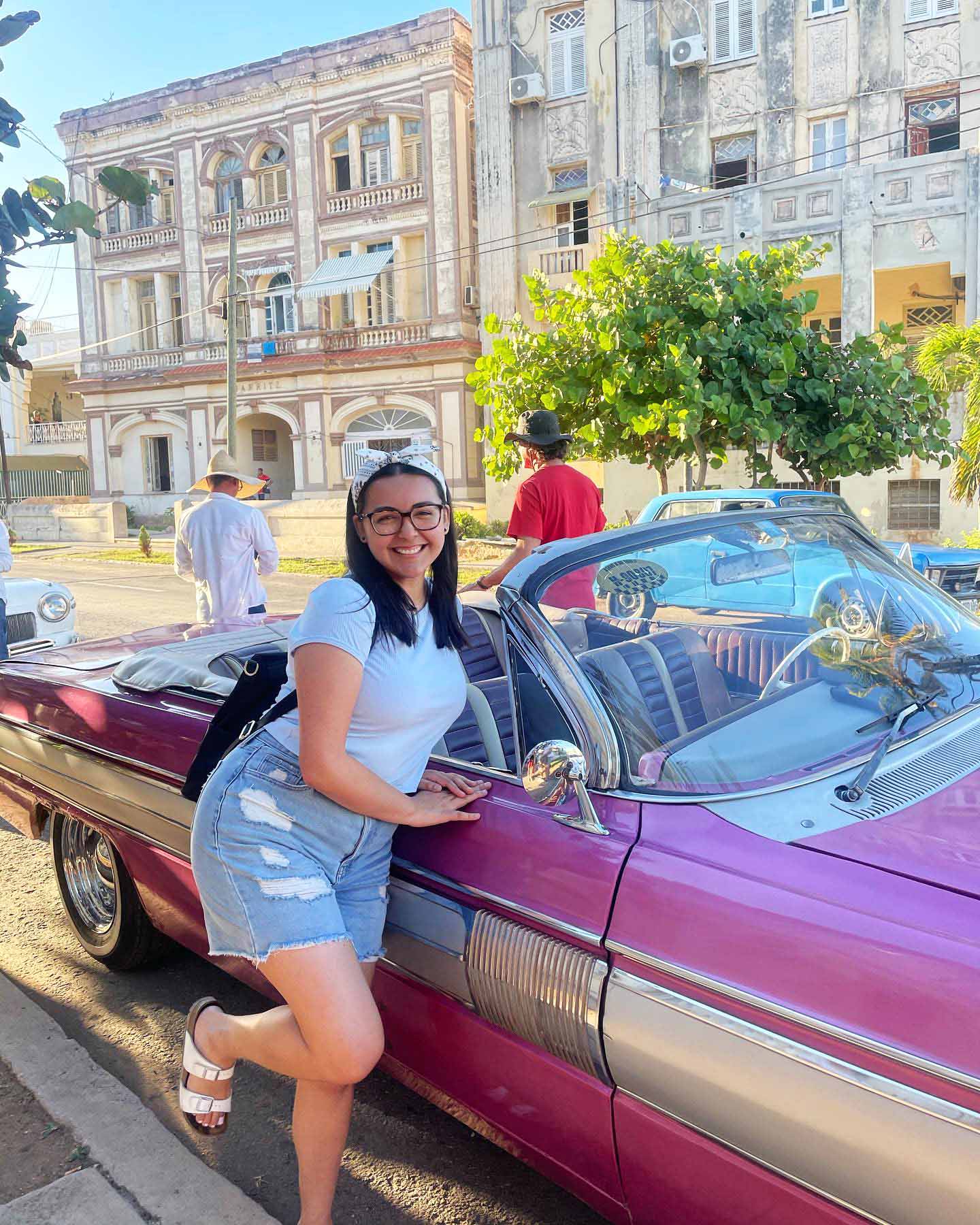 Experience La Habana’s one-of-a-kind culture that combines African, Spanish, and American influences on Cuban culture and society.
- Explore a fascinating Caribbean nation with complex, interesting politics and history.
- Enjoy the stunning natural beauty of this tropical island: beaches and bays, lush vegetation, mountains, plains, and robust agricultural areas.
- Join field trips to culturally significant nearby areas in Cuba.
- Adjust to life abroad easily with the full-time on-site USAC Resident Director and staff.
Why study in La Habana?
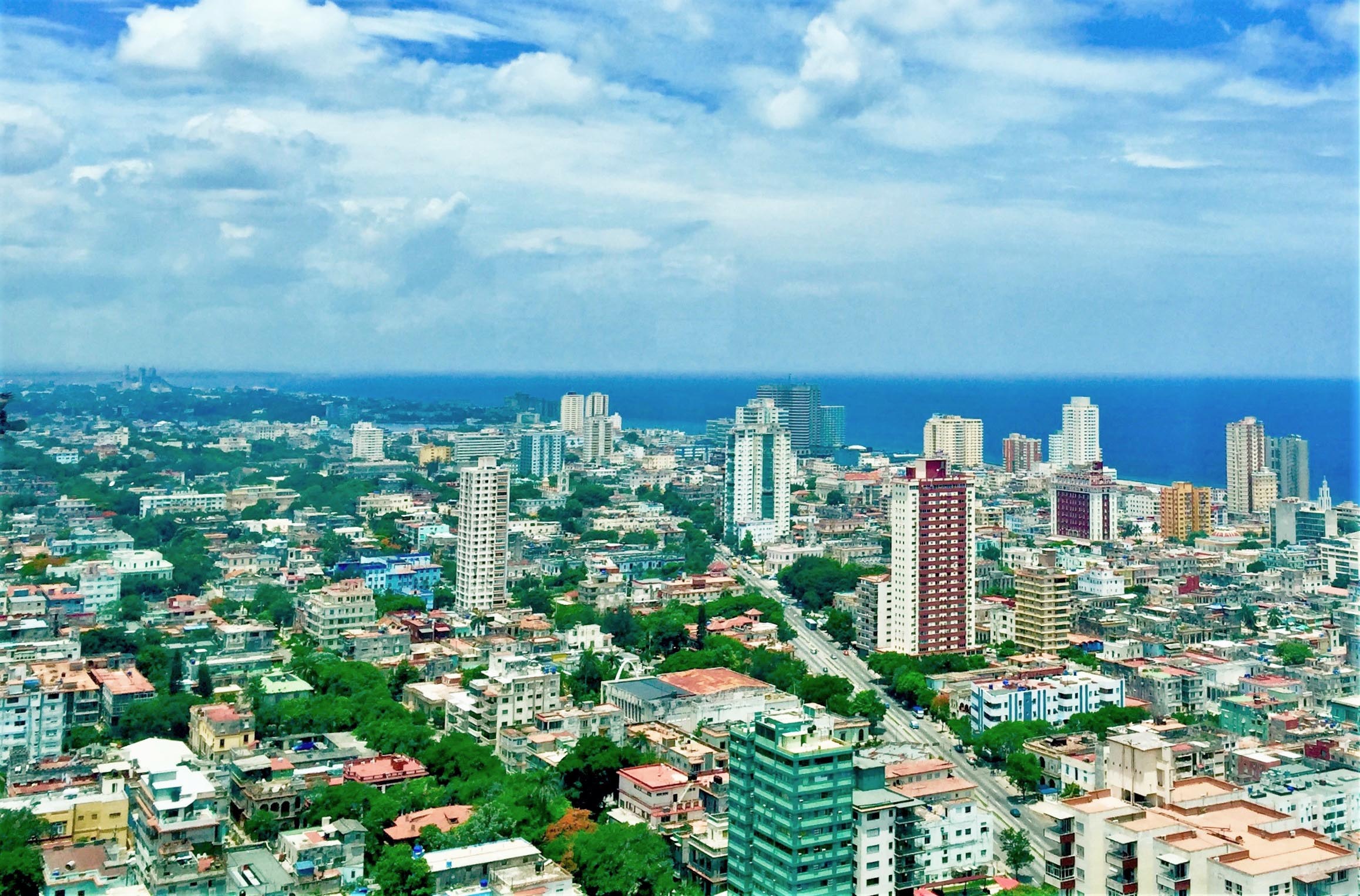
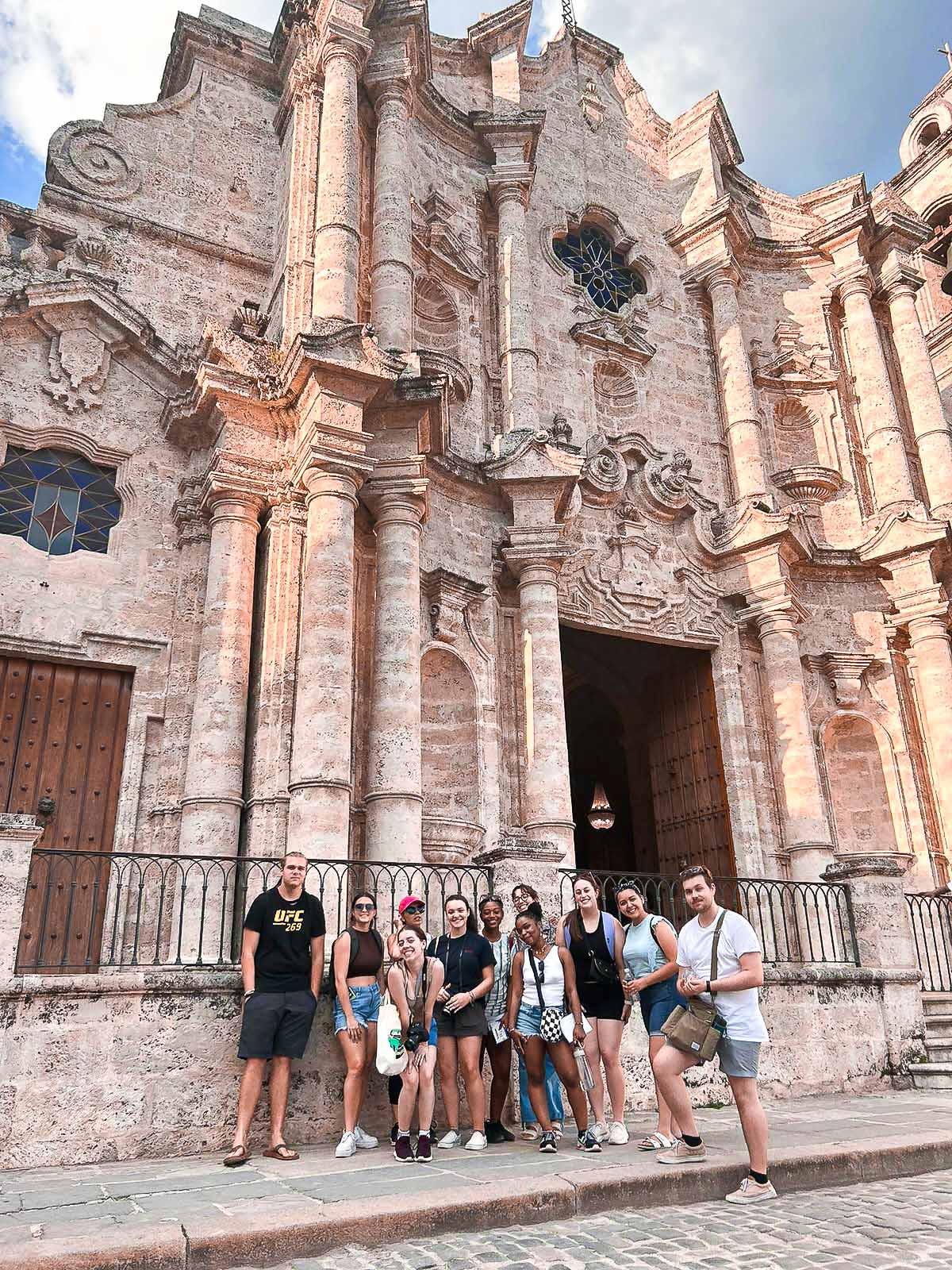 Experience a city like no other on the La Habana program, the capitol of Cuba. With influences from African, Spanish, and American culture, La Habana offers a fusion of arts, culture, entertainment, and history that you won’t find anywhere else. It is also surprisingly uncommercial: you won’t find masses of billboards and the over-advertised feel of much of the world.
Dive into the history of Cuba at Old Habana, one of the best-preserved colonial Spanish complexes in the Americas as well as a UNESCO World Heritage site; experience the vibrant rhythm, colors, and flavors of Cuban music, dance, literature, cuisine, and art; or get outside of the city and enjoy Cuba's natural beauty, with everything from verdant agricultural valleys and plains to thousands of miles of shoreline and pristine beaches.
The La Habana programs offers two summer sessions and a January session. Course topics focus on Cuban history, society, politics, and Latin American culture studies, and many courses also include field trips that offer hands-on experience with the subject matter. Both the courses and your experiences outside the classroom will deepen your understanding of Cuba’s history and society, including the impact of slavery, Spanish colonization, and Cuba’s geopolitical role in the 20th century.